Civilization // Held / Withheld
For the Opening of the 2026 Ibsen Scope Festival in Skein, Norway on May 7, 2026

Those words were written in 1993 by Octavia Butler, a Black American writer who used speculative fiction to examine power, change and survival inside systems.
I’m American. And that comes with a history. A set of conditions I didn’t choose, but that shape how I move through the world. Military power, economic reach, cultural influence… all of it. It shapes how the world is organized. I benefit from it, even as I push against it. And Americans… we have a terrible habit. We show up in rooms like this one and explain the world to everyone else. I’m going to try not to do that. But I also come from somewhere much more specific.
I grew up in rural America. In Minnesota & Iowa, in the upper Midwest among the descendants of Scandinavian immigrants. And being here feels like I’ve come full circle, or perhaps back to the source code. It is a culture shaped by Lutheran restraint, long winters, practical kindness and a deep suspicion of anyone who doesn’t fit in. A place where you are taught not to take up too much space, not to speak too loudly about yourself. A place where things were often left unsaid and where conflict was usually avoided. Where there was a deep belief in community and faith, but also a clear understanding of who belonged and who did not.
There is a phrase you may have heard of because Hilde mentioned that Norwegians may have it here, too. It’s “Minnesota Nice.” It means we will smile warmly, help you move to your new home, bring you a casserole, and absolutely never tell you what we really think. Directness is suspicious. And everything is, above all, civil. At least on the surface.
So I stand here shaped by both of these inheritances. A global superpower, and a culture of quiet understatement. One that moves through the world with force. And one that barely says what it means.
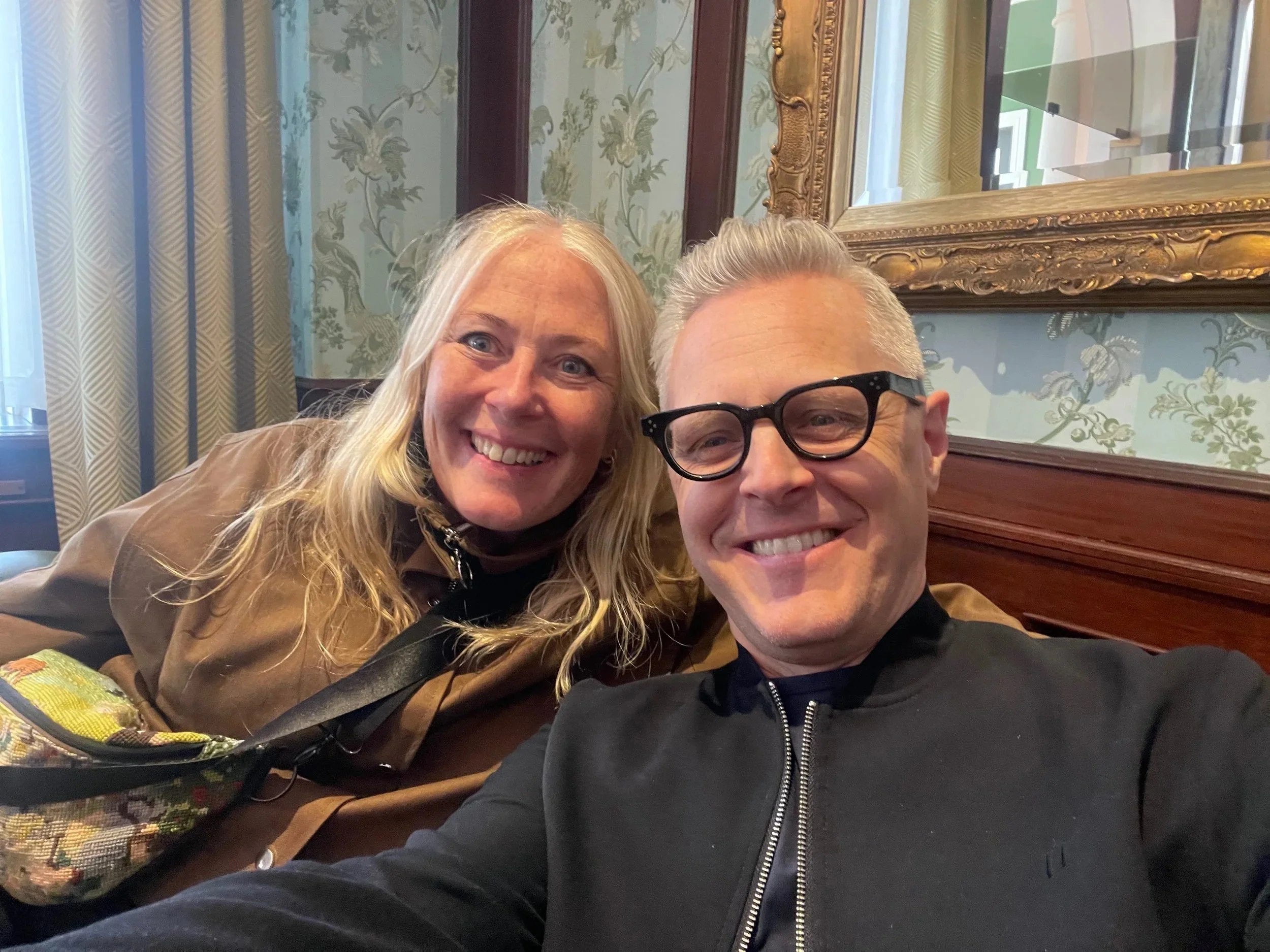
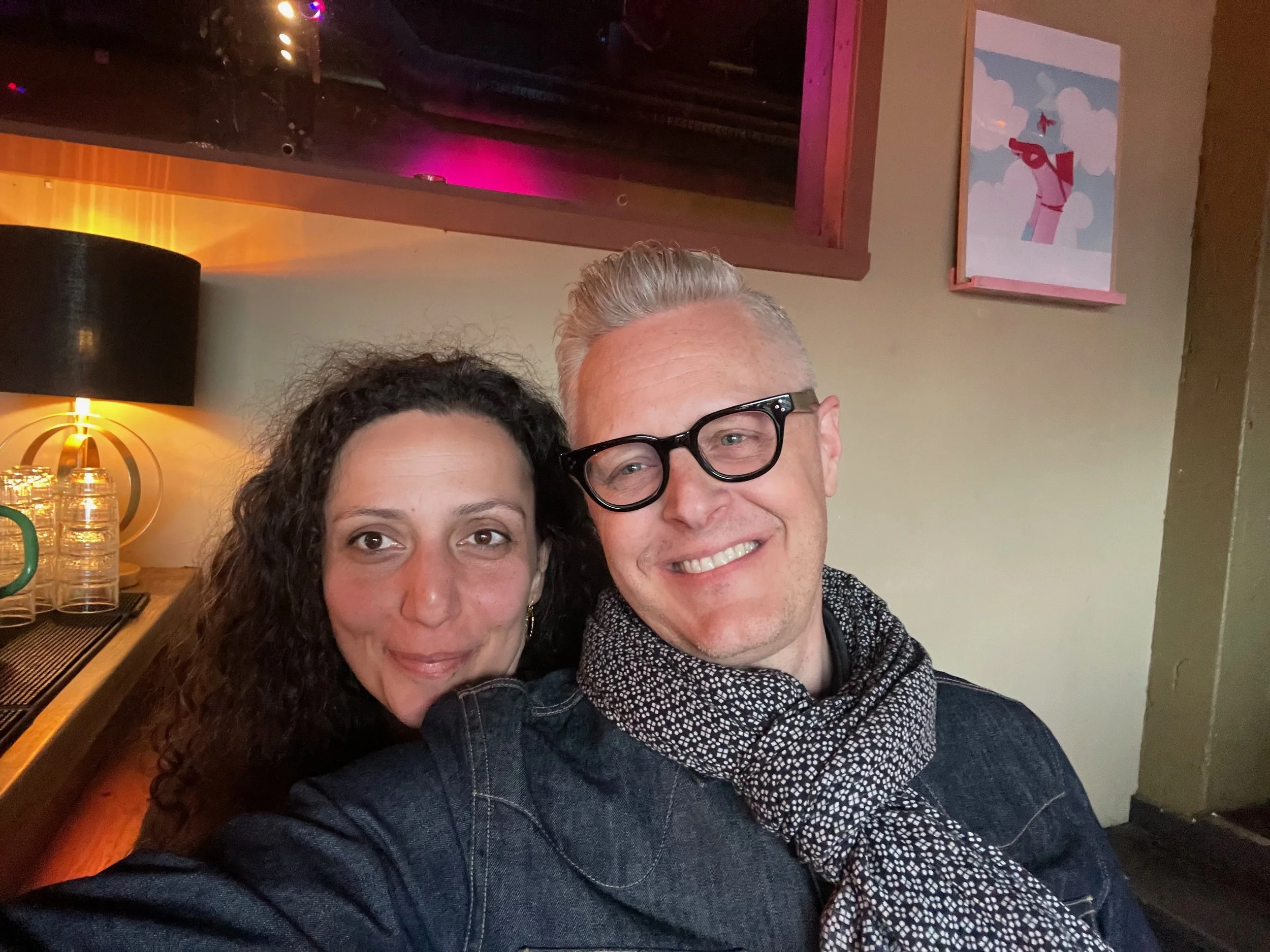
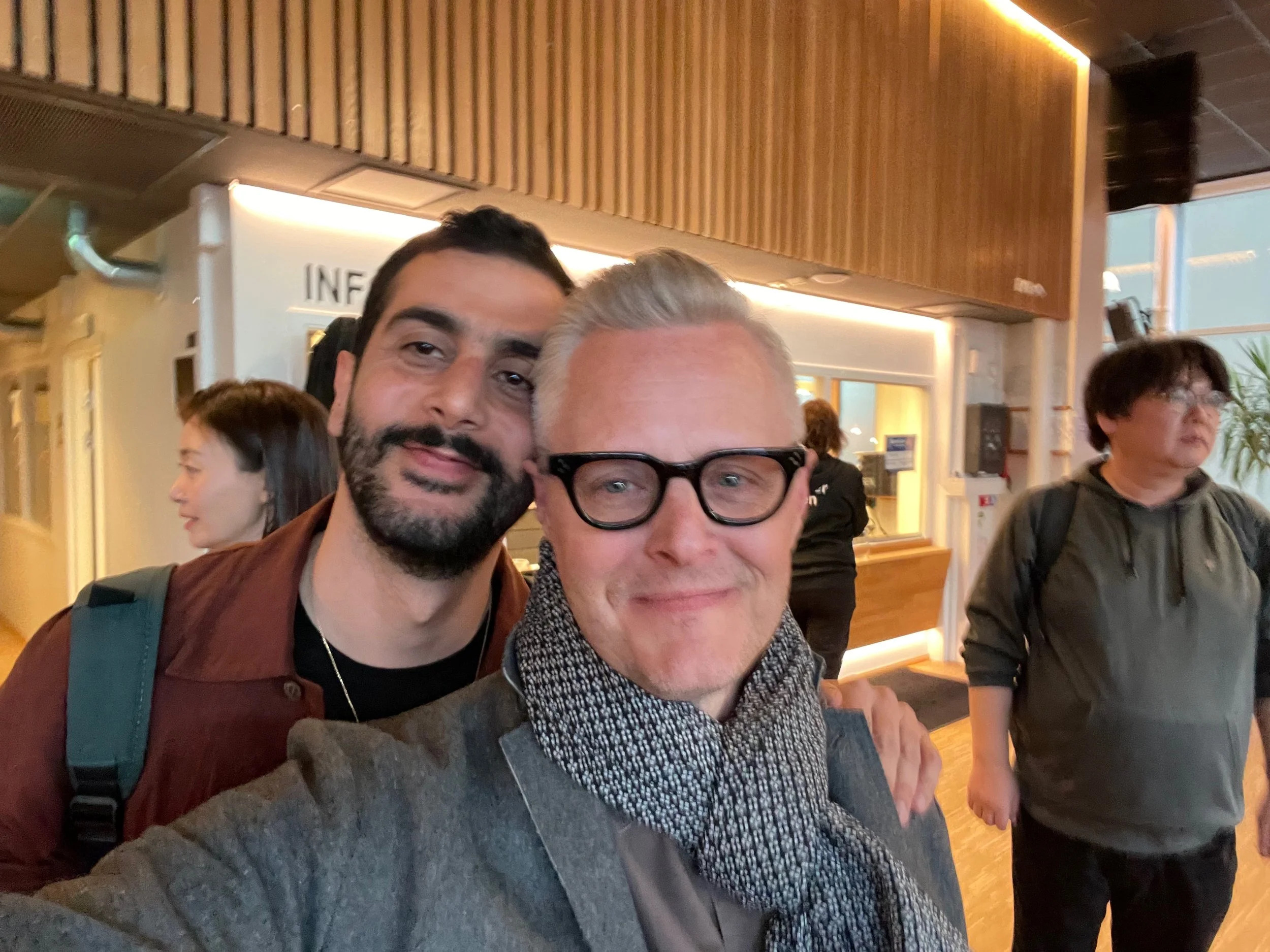
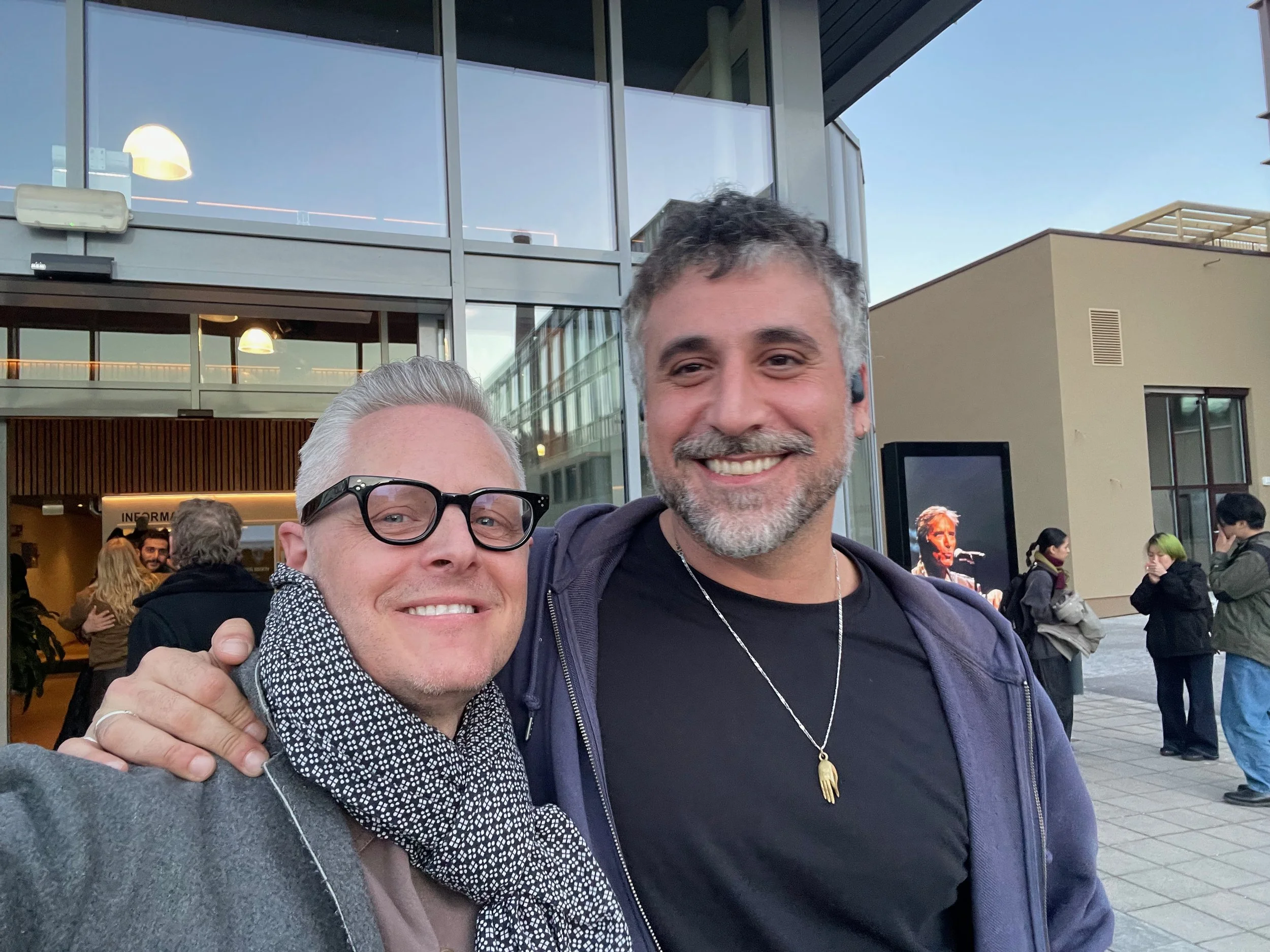
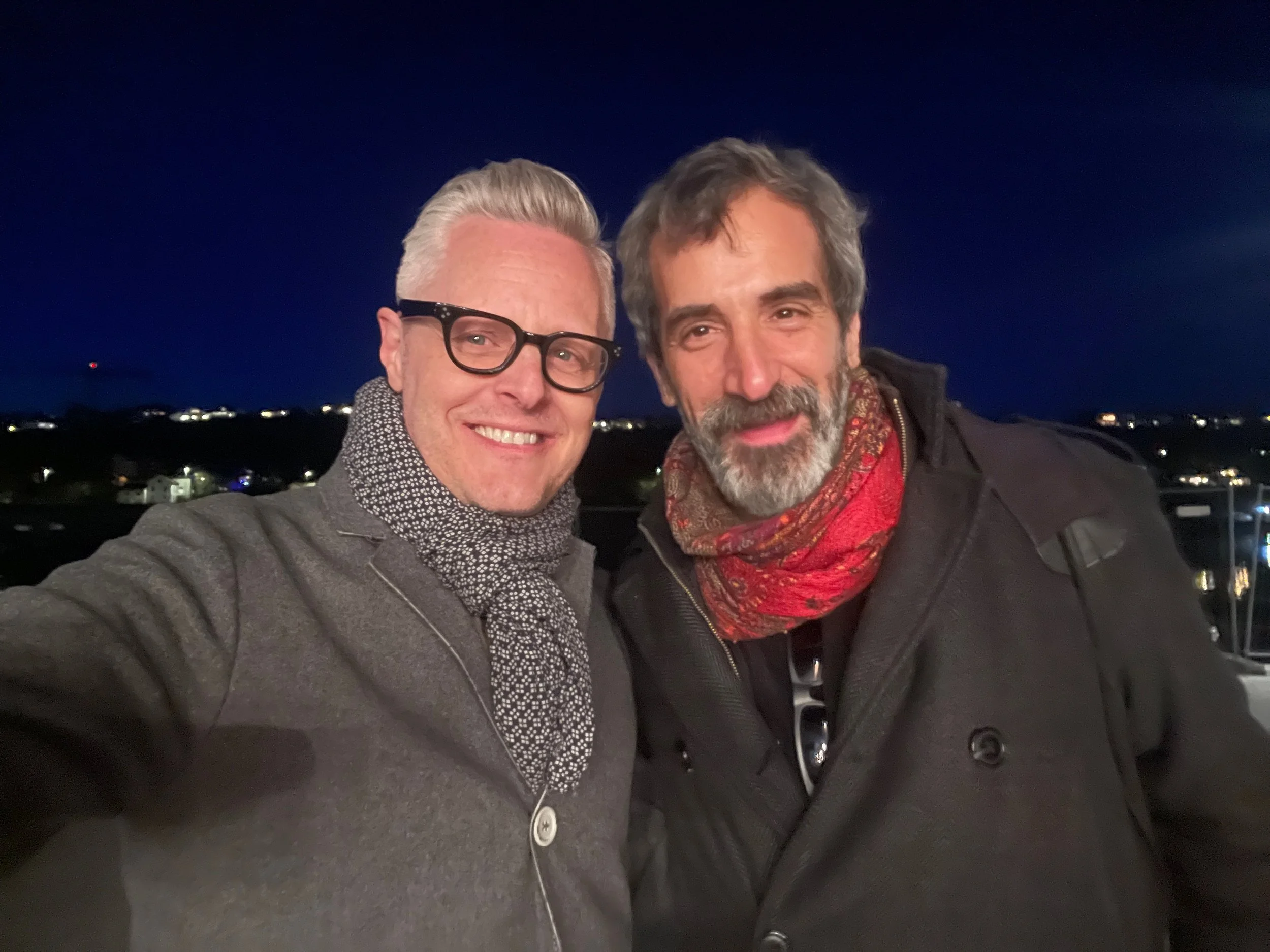
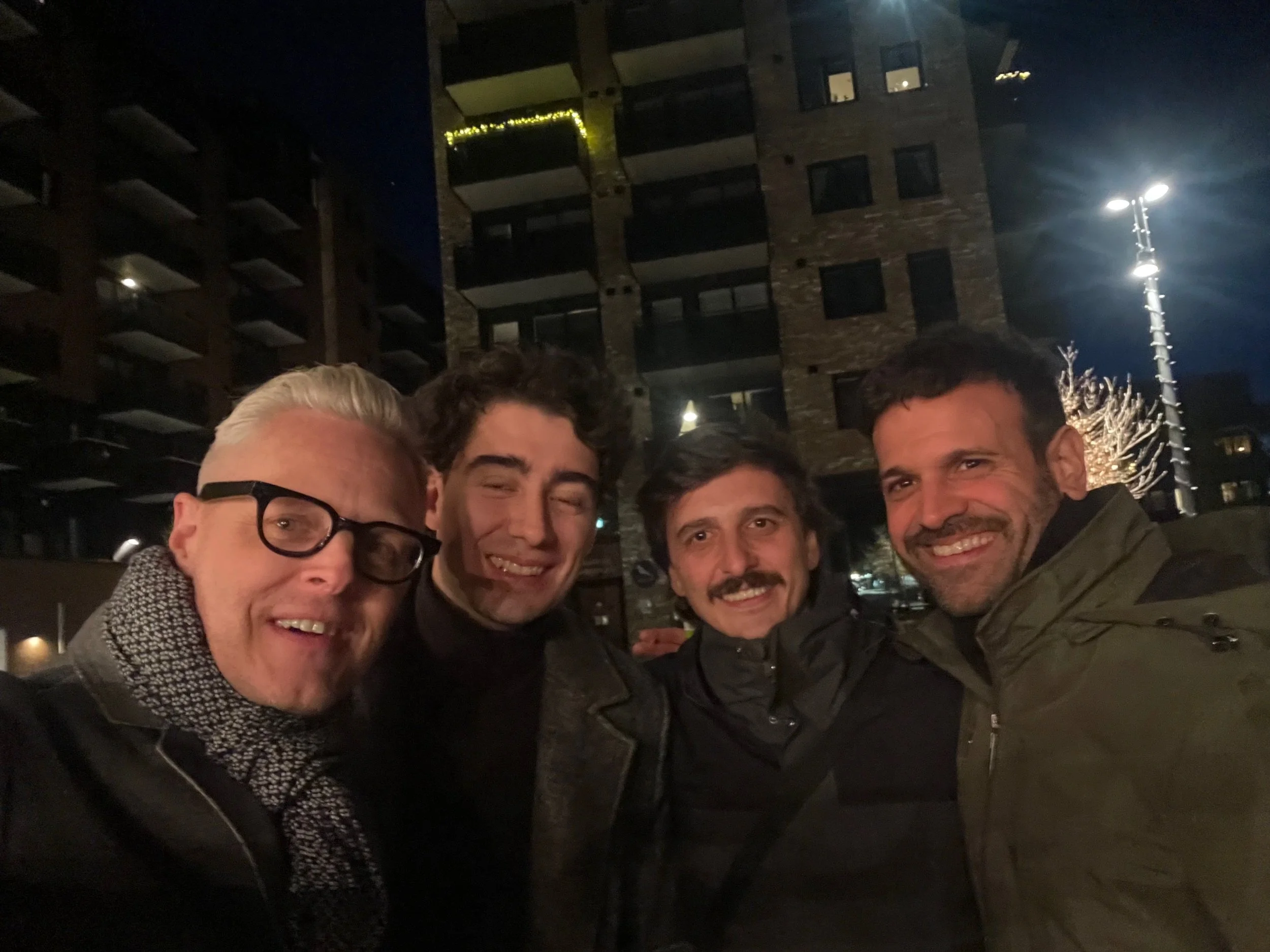
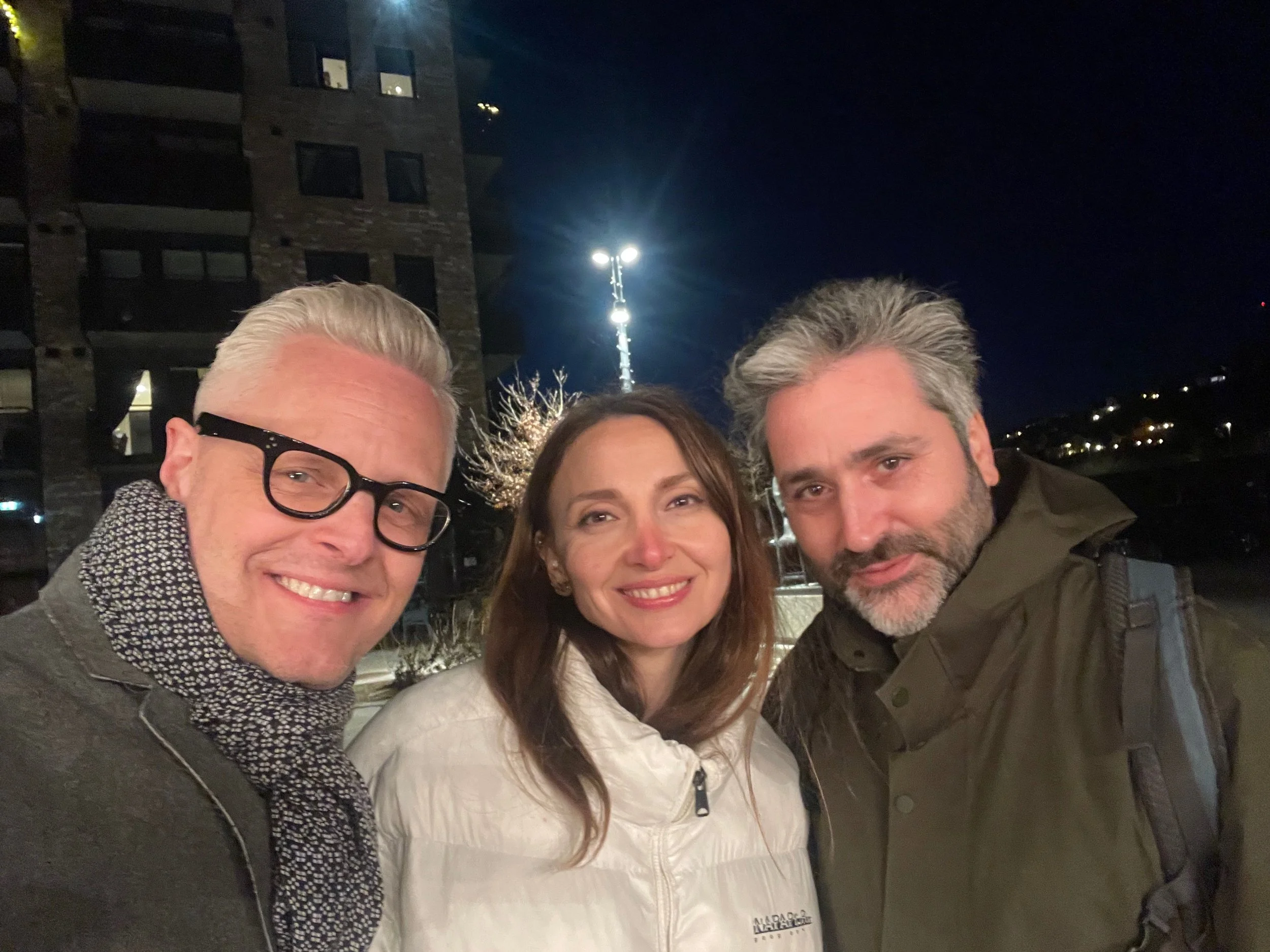
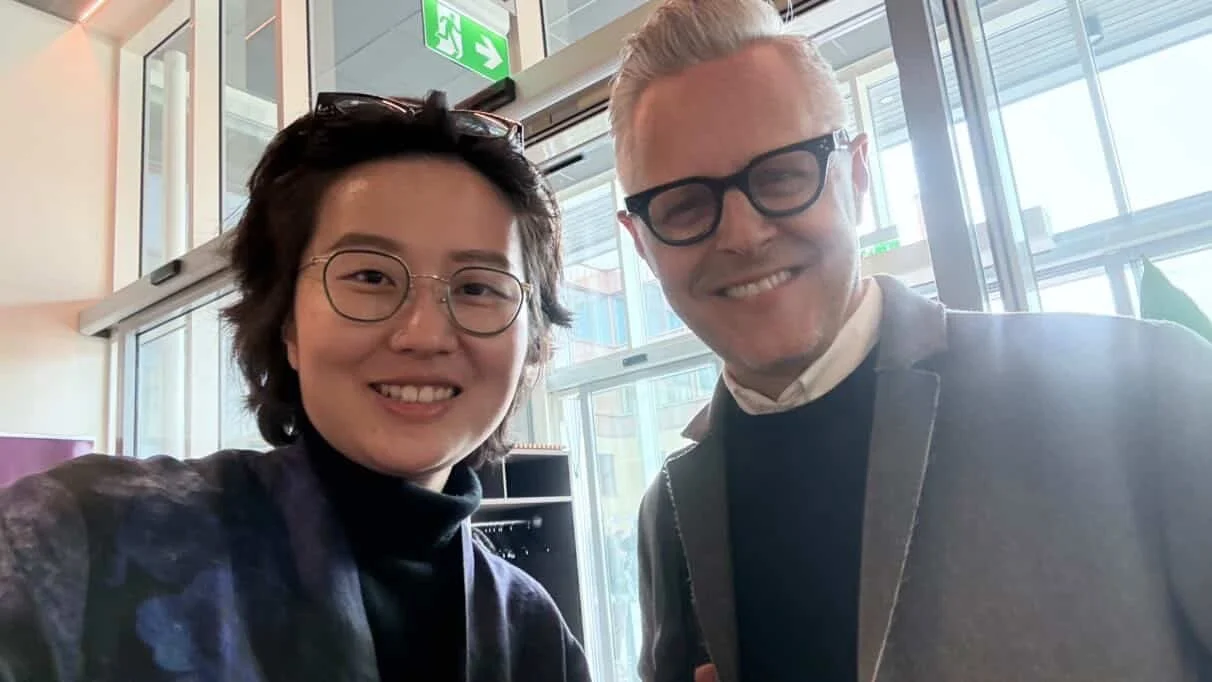
We’re in a room shaped by many different systems. And I’m also here among people I care deeply about. People I trust. People I have worked alongside for many years and across borders like Hilde, Omar, Chrystele, Ali. My chosen family. You have traveled here from across geographies, languages and political realities. Different relationships to power. Different proximities to conflict. So when we say “civilization” in a room like this, we are not all referring to the same thing. And yet, we are here together. Because we are willing to remain in proximity to one another. To encounter each other’s work. To sit with our differences.
Civilization.
It is a word that stands up tall. It assumes it will be taken seriously. It suggests continuity, achievement, refinement. But the word is also doing something else. It’s drawing a boundary. Civil. Uncivil. Inside. Outside. Us. Them.
We tend to think of civilization as something built by great societies. The Egyptians. The Incas. They organized life, they created something at scale.
But “civility” is a construct. And not all societies are granted it equally. Some are named “civil.” Others are not.
Power sits with those who draw that line. Civilization, as we have practiced it, requires an outside. An “other.” Because without an “other,” it has nothing to define itself against.
We are living in a moment (again) where wars are not in the periphery. Displacement is ongoing. Genocide is taking place right in front of us. And alongside that violence, we are also witnessing something else. A policing of what can be said, where, and by whom. Institutions are recalibrating their vocabulary. Statements drafted, redrafted, softened, approved.
Because civility, like civilization, is a boundary. A way of determining what is acceptable, what is sayable, what must be shaped into something more comfortable. So we end up with a strange situation.
To be civil, we must be polite in the face of injustice. We must be calm in the face of violence. That’s what it seems to mean to be civilized.
What Ibsen understood is that civilization often depends on this performance. On roles we agree to play and on silences we agree to keep. The structure still looks intact, but something underneath it is already broken and few are willing to say anything. Because once something is spoken, the system has to respond. In our politics, our institutions, our families, our rehearsal rooms. There are things we know deep down and then the things we say out loud. Those are not always the same. Part of what we are navigating is that gap. Between what is visible and what is true.
My own family does not fit easily inside the systems we inherited. We are an interracial family. A queer family created through adoption. A family living its differences in the light of day. Which means we are constantly negotiating where we belong. In small ways. Everyday. In how we move through the world together. That is civilization, too.
I am trying to be a world builder. Which means that I want to imagine a world more beautiful for more people. Not a world that simply appears more civilized, but one that expands who is held, who is seen, who is able to belong on their own terms. This is not idealism. It is a response to something ending.
The idea of a single center of power defining civilization has lost its hold. And in the rubble, something else is taking its place.
Under the scorched earth, something else is growing. New definitions. New centers of gravity. New structures. Ambitions rooted in ancient truths that have never really gone away. The question is how we participate in it. Do we wait for collapse? Do we believe civilization must burn in order to be remade? Or do we begin, right now, to redesign from within?
There is a concept from a book I talk about often called A Play in the System. It’s about parasitical resistance and the idea that you don’t always overthrow a system from the outside. Sometimes you live inside it. And you redirect its energy toward something that benefits you. You siphon from it or rewire it. You make it do things it was not originally designed to do.
In my own work, I am attempting to do that with the creative economy. Inside a system that shapes value, and trying to redirect how that value is defined. We often talk about the arts as a reflection of society, but they are also part of the system that defines what counts, which means if we change how creativity is valued, we change the system itself.
Art and creativity are themselves forms of capital.
And yet, we have built an economy around creativity that is deeply contradictory. We depend on artists like you to generate value, and at the same time, we build systems that keep your lives unstable. We position culture as essential, and we fund it as optional. We invite artists into the room, and then we ask you to behave.
If we are serious about Civilization, then we have to be serious about redesign. I have been exploring what might exist beyond the models we have inherited. Beyond the binary of nonprofit scarcity and market extraction toward something more reciprocal and participatory. Where artists are not beneficiaries looking for handouts, but co-authors with agency and authority. Where we begin to shift what is held, and what has been withheld.
A few weeks ago in Austria, I spent time with new colleagues from around the world at a convening called Salzburg Global. People gathered from vastly different contexts, under different pressures, and yet there were shared questions. What is creative infrastructure, who is it for, and what happens when it no longer serves those it was built to support?
I’ve also been working with Zoukak Theatre in Beirut for years. A place where systems are unstable, where infrastructure is fragile, where the future is uncertain and yet… the work continues. Artists like Omar, like Chrystele, like Ali and so many others… they gather, they create, they teach, they build, not because the conditions are ideal, but because the work is necessary. And that, to me, is where this whole thing becomes real. Not in how we talk about civilization, but in how we live it.
Here’s where we’re held… by community.
Theatre, at its core, is a collective act. It requires our attention and some risk. It asks people to come together, to listen, to imagine something beyond what currently exists. A rehearsal room is a civilization. You can feel immediately who belongs, you can see how power moves, how decisions are made, how voices are heard, or not. It is small, temporary, imperfect, and yet it offers a glimpse of what is possible.
We are not outside the systems we are questioning. We are inside them, participating in them, benefiting from them.
Every relationship builds a civilization, every interaction builds a civilization, every choice builds a civilization.
Because civilization is not something we inherit. It is something we build. Again and again. So the question is not whether we are shaping it. We are. The question is what we are shaping it into.
And how we choose to live while we are here.
Not when things are figured out.
Not when the world makes more sense.
But now.
In the unfinished in between, in the uncertain.
In the middle of all of it.