
Writing
Essays from the long middle of a creative lifeThe Deep Current
My ongoing writing about culture, leadership, systems, creative life and the structures beneath the work.
Recent Writing
The Tax Code of Us
The Tax Code of Us examines why so much of our cultural life feels both subsidized and starved. Tracing the roots of the nonprofit tax code, I explore how legal structures have shaped the arts in the US, often tying creative work to the preferences of private wealth. Along the way, I look toward alternative models rooted in feminist thinking, Indigenous governance and cooperative practice. It is a second stone in a larger inquiry about what cultural infrastructure might yet be possible.

The Endowment of Us
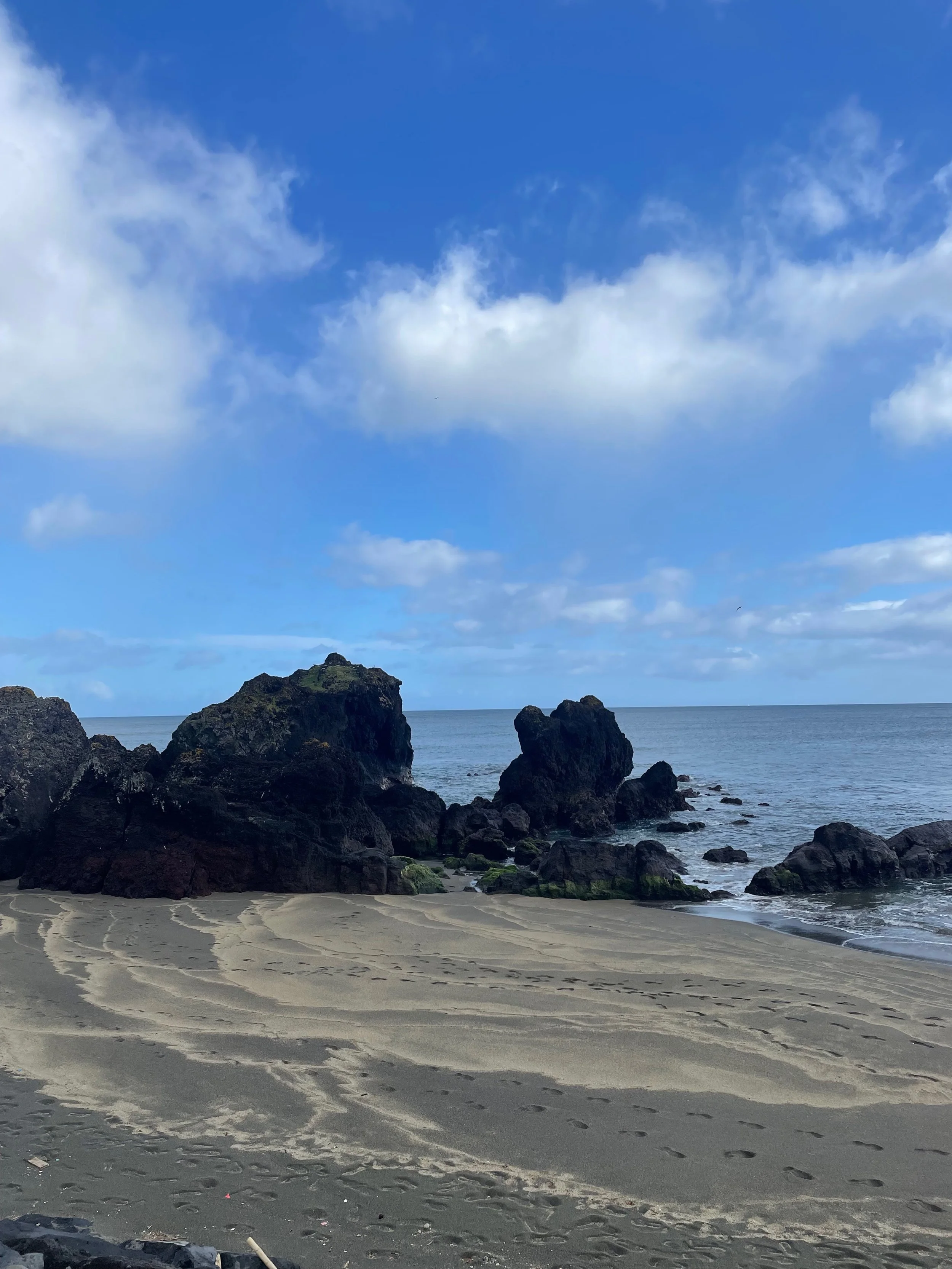
Shared from a centuries-old monastery perched in the middle of the Atlantic, this essay is both invitation and offering: what if the arts were not a sector to be saved, but a blueprint for how we live? What if the future of culture wasn’t buried in institutional preservation, but pulsing in new forms of reciprocity, shared power and creative agency? Against the backdrop of volcanic rock and salt air, it sketches some guideposts for a different kind of economy—one grown from trust, not transaction. It asks us to stop waiting for the endowment to arrive… and to realize it might already be here.

Renewing the Possible
Renewing the Possible explores a reimagining of the economic model underpinning the arts and creative sector. Drawing from personal experience, the essay critiques the unsustainable structures of scarcity and extraction that dominate the field, advocating instead for regenerative economies rooted in equity, abundance and reciprocity. Grounded in the principles of systems thinking and inspired by the work of Etel Adnan (among others), the piece highlights how the creative economy could mirror nature’s cycles of renewal, emphasizing care, collaboration, and shared resources. Through compelling anecdotes and critical reflection, Renewing the Possible invites readers to envision a future where the arts not only survive but thrive as a vital, justice-centered part of society.
Author's Note